DNV + Trinity + ROUTE Institute | 2024—2026
Rio de Janeiro | BrazilA partnership that delivers results and opens new paths.
Three years of social and environmental engagement, environmental education and experiences that connect people, companies and local communities.
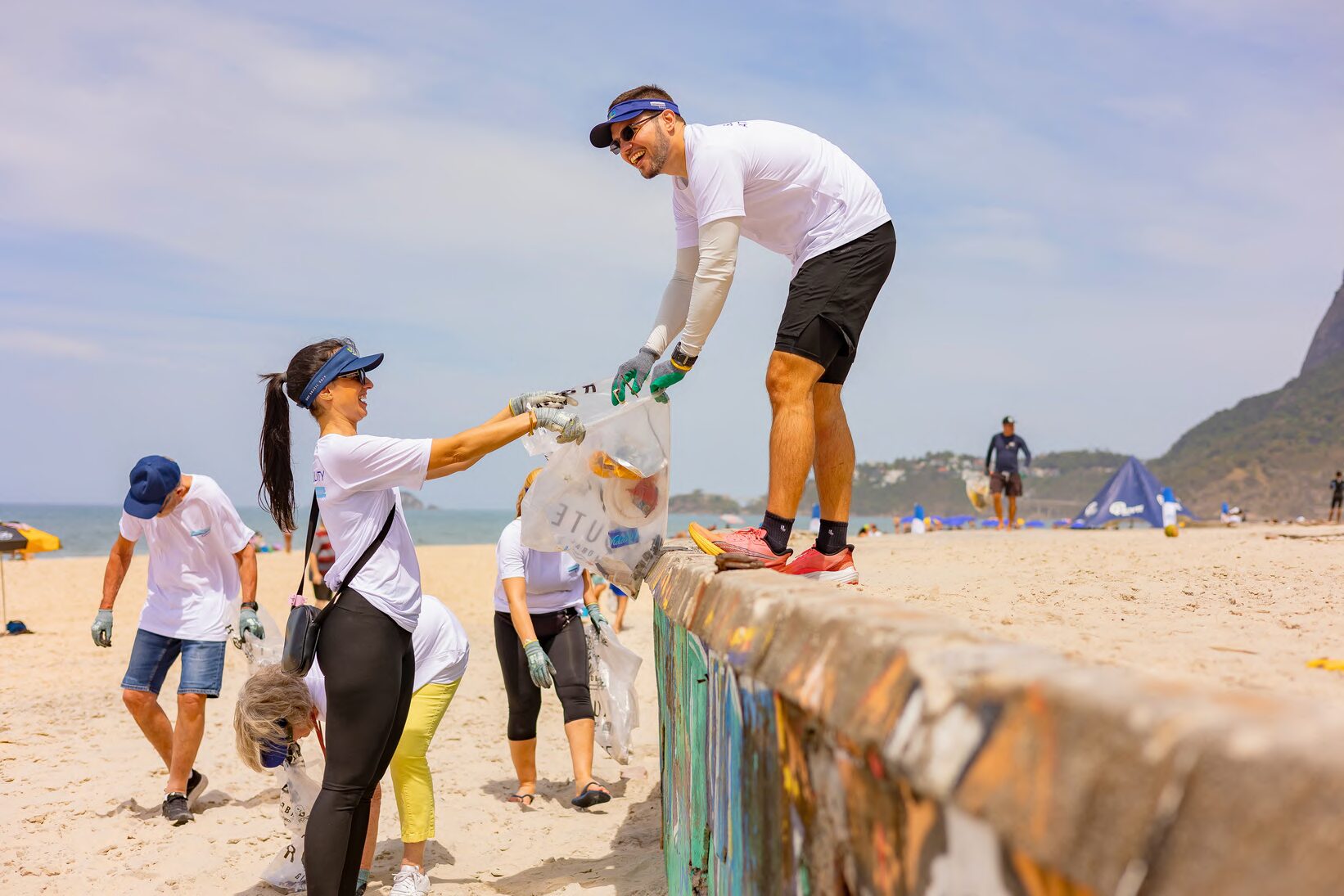

Between 2024 and 2026, these initiatives brought employees and volunteers together at São Conrado and Leme beaches, while also bringing environmental education into the workplace. A track record of experiences and results that opens up new possibilities for 2027.
Editions held
- 2024São Conrado
- 2025São Conrado
- 2026Leme
The results of three editions
The actions held in 2024, 2025 and 2026 removed waste from the coastal environment, documented the materials found and expanded volunteer participation in environmental activities.
- Actions carried out
- 03
- Items collected
- 13,743
- Waste recorded
- 90.815 kg
- Estimated participations
- ≈ 90
Participation figures are estimated attendances across the three actions, not necessarily unique individuals. Collection data corresponds to the waste measurement records of each edition.
The actions
Three editions, two beaches
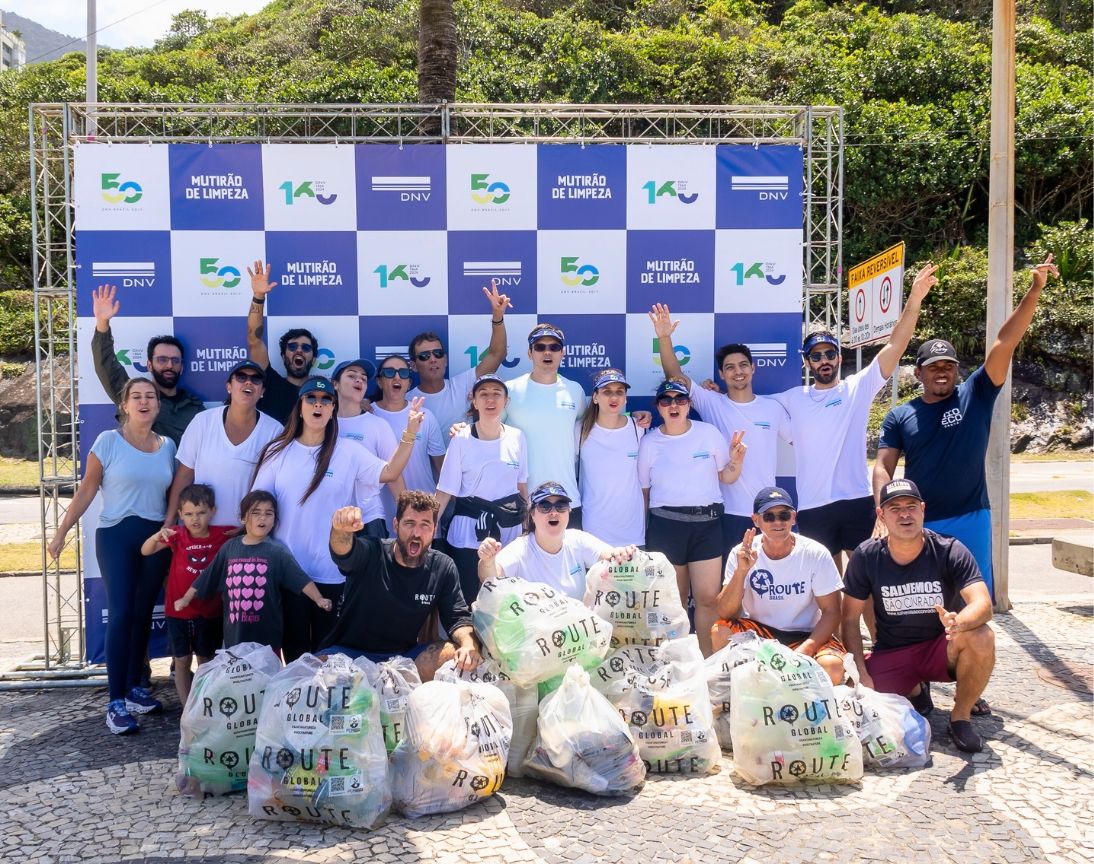
October 5, 2024
2024
São Conrado
The first record in this series
The 2024 edition brought together approximately 30 volunteers in São Conrado. The cleanup found a significant presence of styrofoam, hard plastics and small debris, including cotton swabs.
The materials found reinforced the importance of looking at the relationship between disposal, urban drainage and the waste that reaches the sand.
- 4,851
- items
- 49.10 kg
- recorded
- ≈ 30
- volunteers
1,600 styrofoam fragments were recorded in this edition.
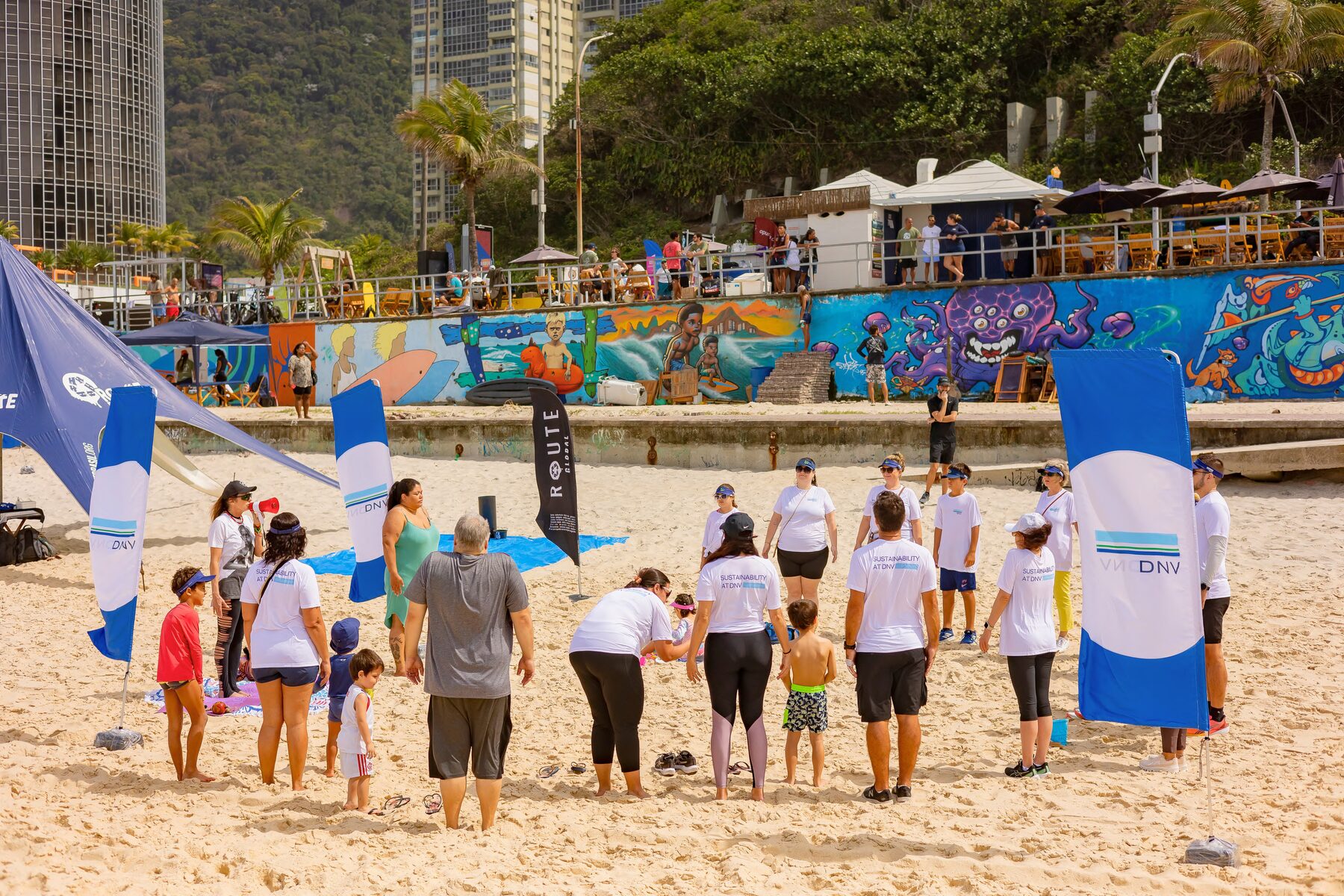
October 4, 2025
2025
São Conrado
More volunteers, new observations
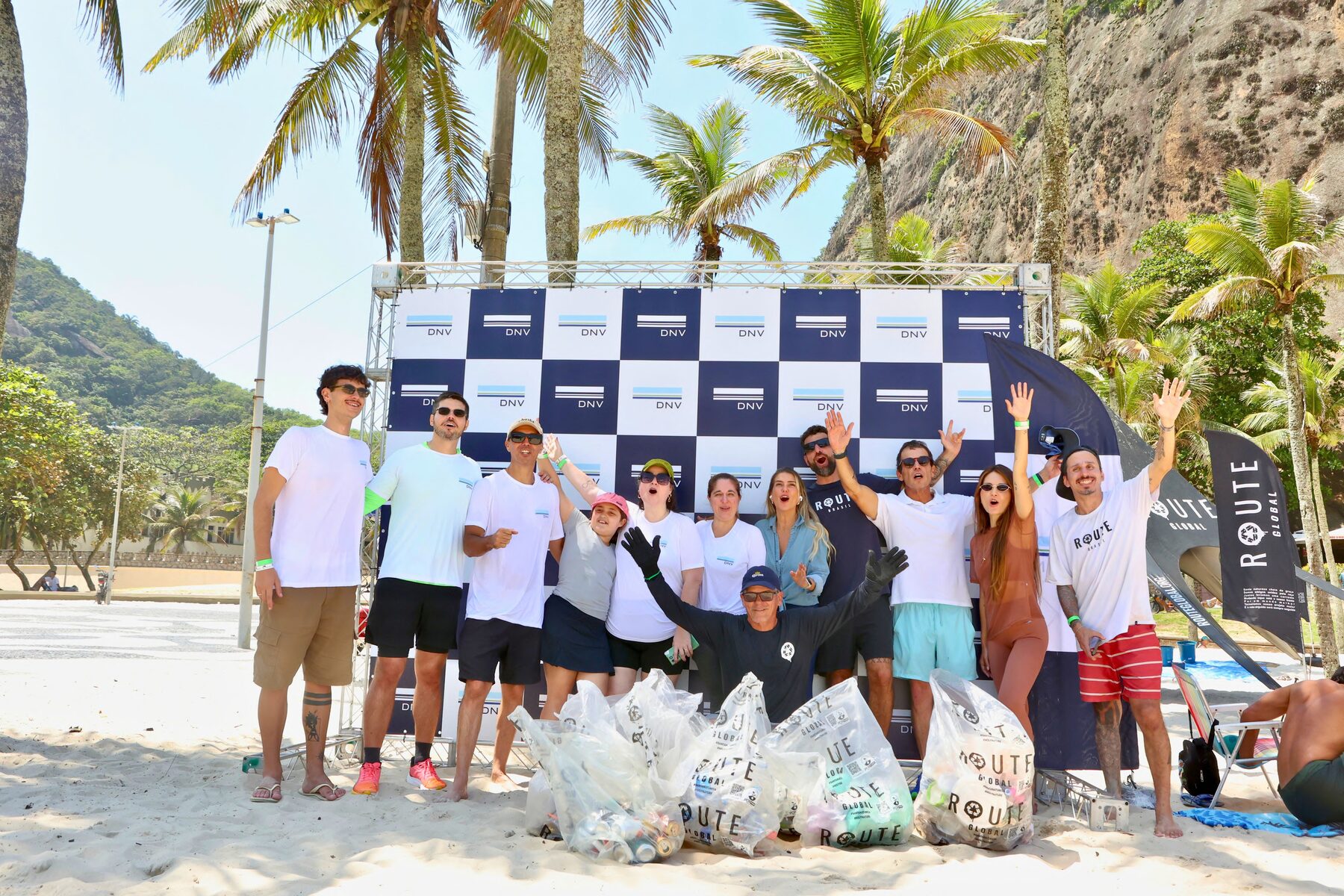
The second edition in São Conrado brought together approximately 40 participants. The program included breakfast, yoga and team-building activities, with people from different generations.
Among the materials recorded, cigarette butts appeared very frequently.
- 7,549
- items
- 27.735 kg
- recorded
- ≈ 40
- volunteers
3,166 cigarette butts were found during the cleanup.
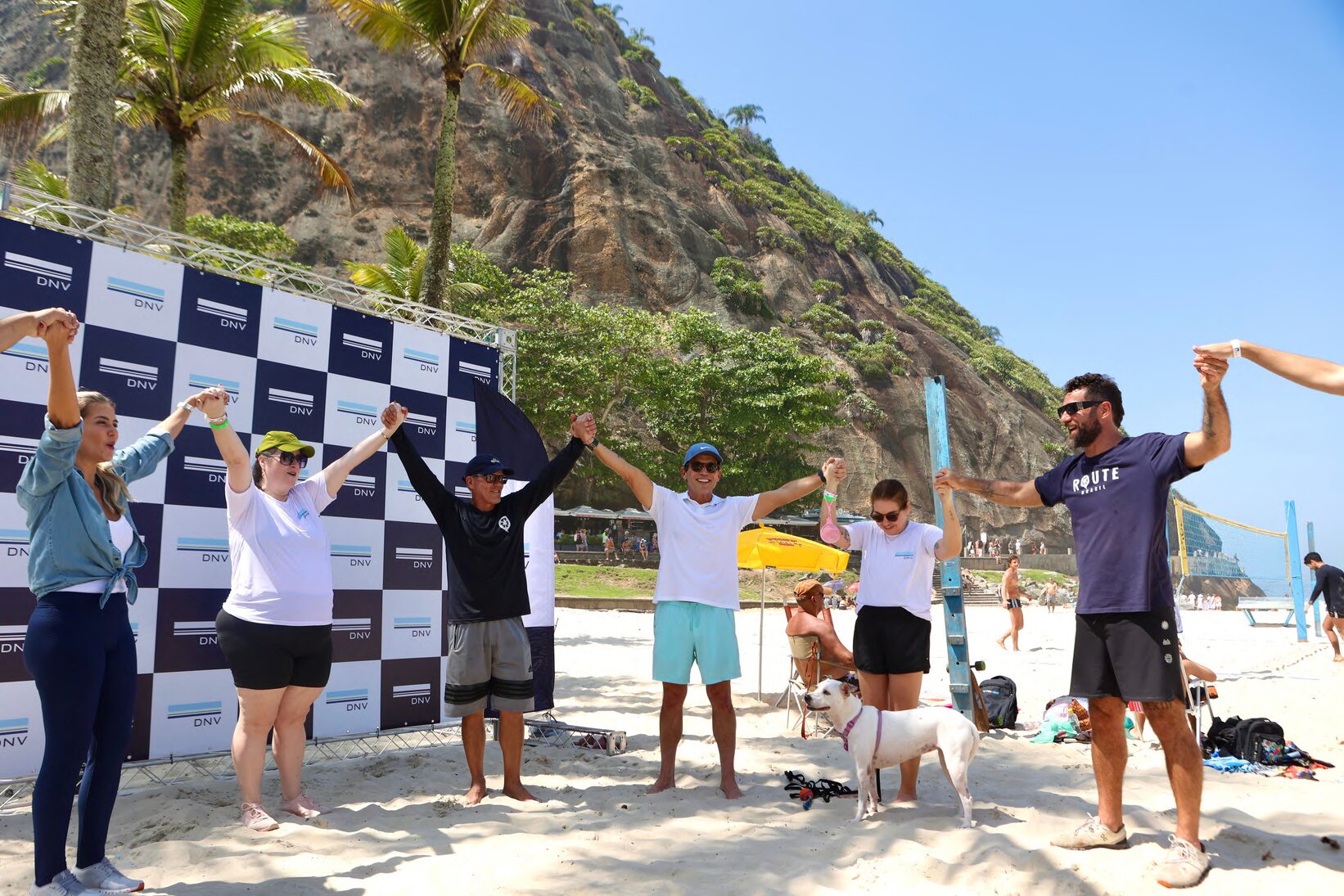
September 26, 2026
2026
Leme
A morning of care for Leme Beach
The third edition took place at Leme Beach, with approximately 20 volunteers.
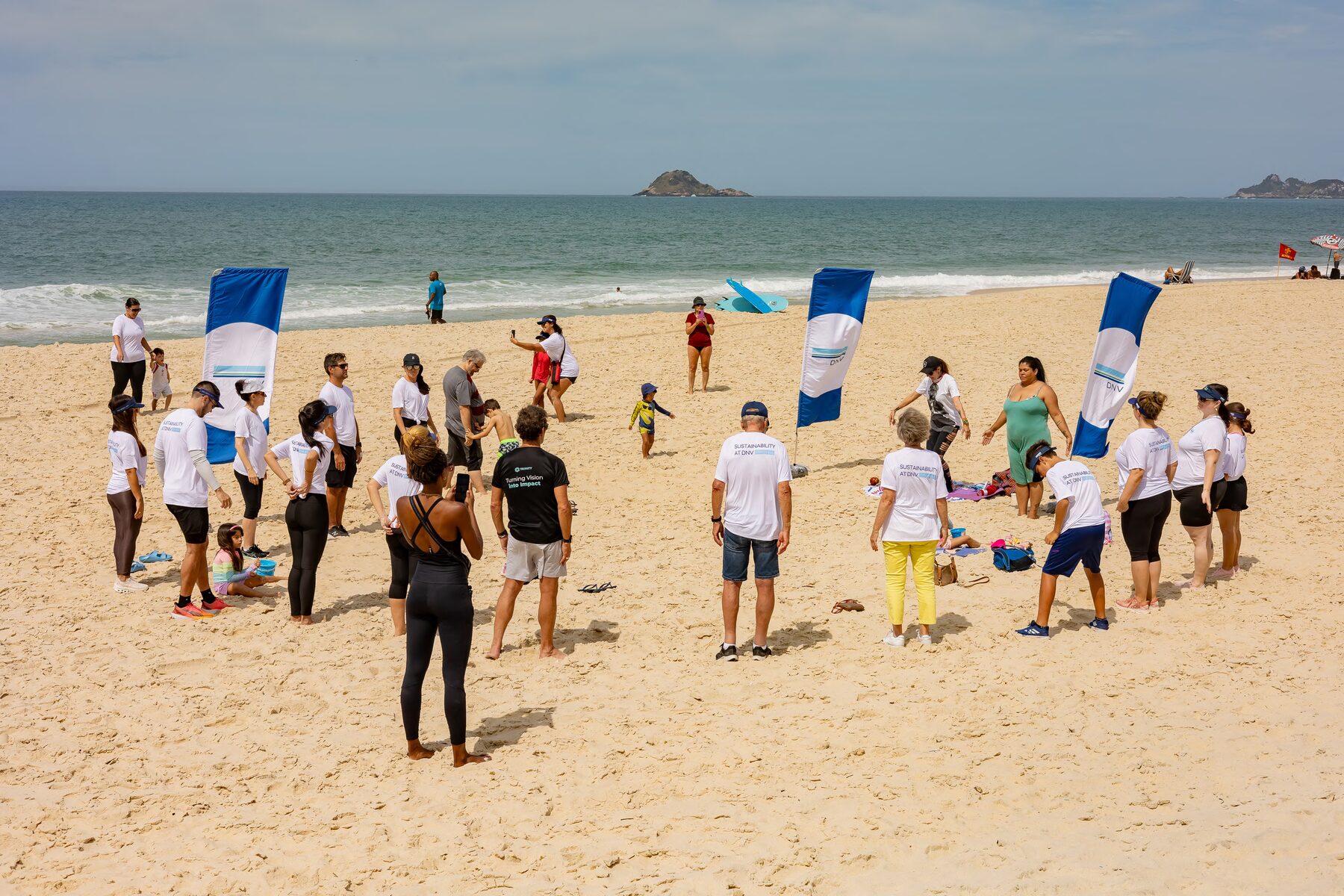
The program began with breakfast at Clássico Beach Club and included yoga and stretching led by instructor Jacqueline Mito, before the waste collection and sorting activities.
- 1,343
- items
- 13.98 kg
- recorded
- ≈ 20
- volunteers
Cigarette butts, plastic caps, straws and packaging were among the most frequent materials.
What did we find on the sand?
The three editions recorded different waste compositions. Despite variations between years and locations, plastics, packaging and small discarded objects appeared frequently in the collections.
The survey helps identify recurring materials and guide topics for future educational activities.
Five most numerous waste types · item count
- Styrofoam (EPS)1,600
- Hard plastic719
- Cotton swabs593
- Plastic caps553
- PET bottles364
60.0% of items were concentrated in three categories: styrofoam, hard plastic and cotton swabs.
The cleanups took place under different conditions of team size, area, duration and location. The figures should not be interpreted in isolation as an increase or decrease in beach pollution.
Recurring waste
Some materials appear year after year.
Styrofoam, hard plastics and flexible packaging were present in all three editions. Their recurrence helps identify consumption and disposal habits that deserve attention in environmental education activities.
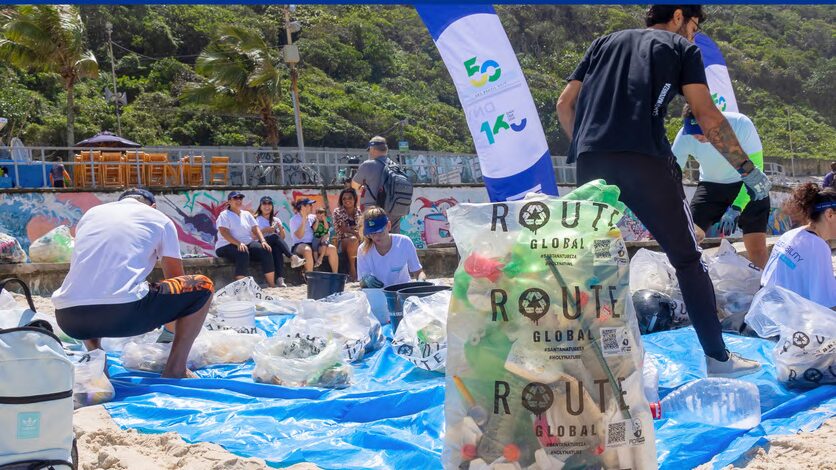
Styrofoam (EPS)
- 20241,600
- 2025618
- 202610
Hard plastic
- 2024719
- 2025708
- 2026105
BOPP packaging
- 2024130
- 2025589
- 2026132
These recurring records provide a basis for addressing reduced consumption, responsible disposal and prevention, while respecting the characteristics of each location.
A closer look at each beach
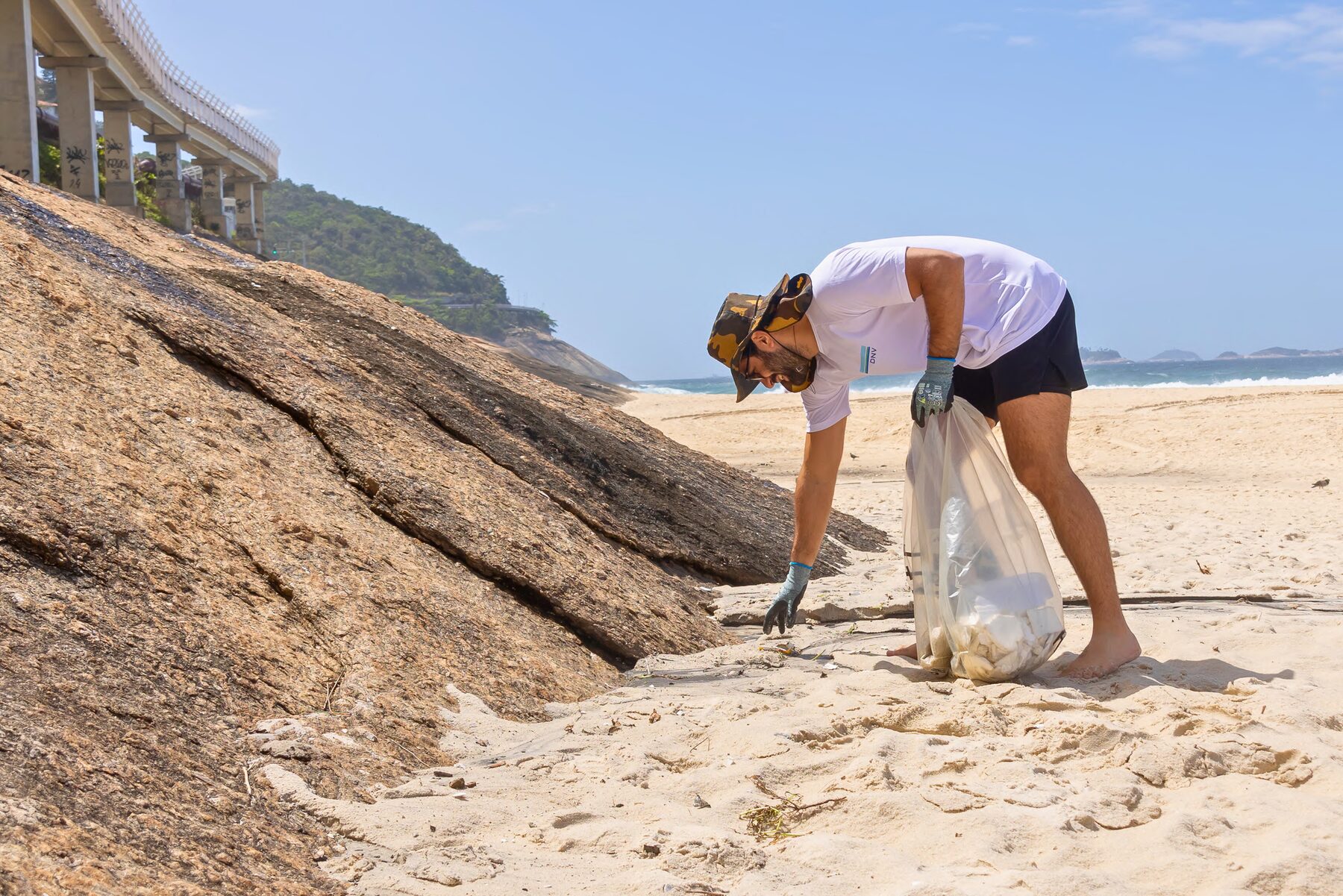
São Conrado
Between the city, the hillside and the sea
The São Conrado editions recorded styrofoam fragments, plastics, cotton swabs and cigarette butts.
The relationship between the beach, urban development, drainage channels and rainfall is important to understanding the possible paths waste takes.
However, the origin of each material was not traced. The records raise questions for investigation and environmental education.
Leme
Everyday waste along the waterfront
Leme Beach brings together residents, visitors, sports, commerce and leisure.
The cigarette butts, straws, caps and packaging found during the 2026 action draw attention to materials associated with everyday consumption and the use of public spaces.
The records contribute to discussions about responsible disposal and caring for the beach.
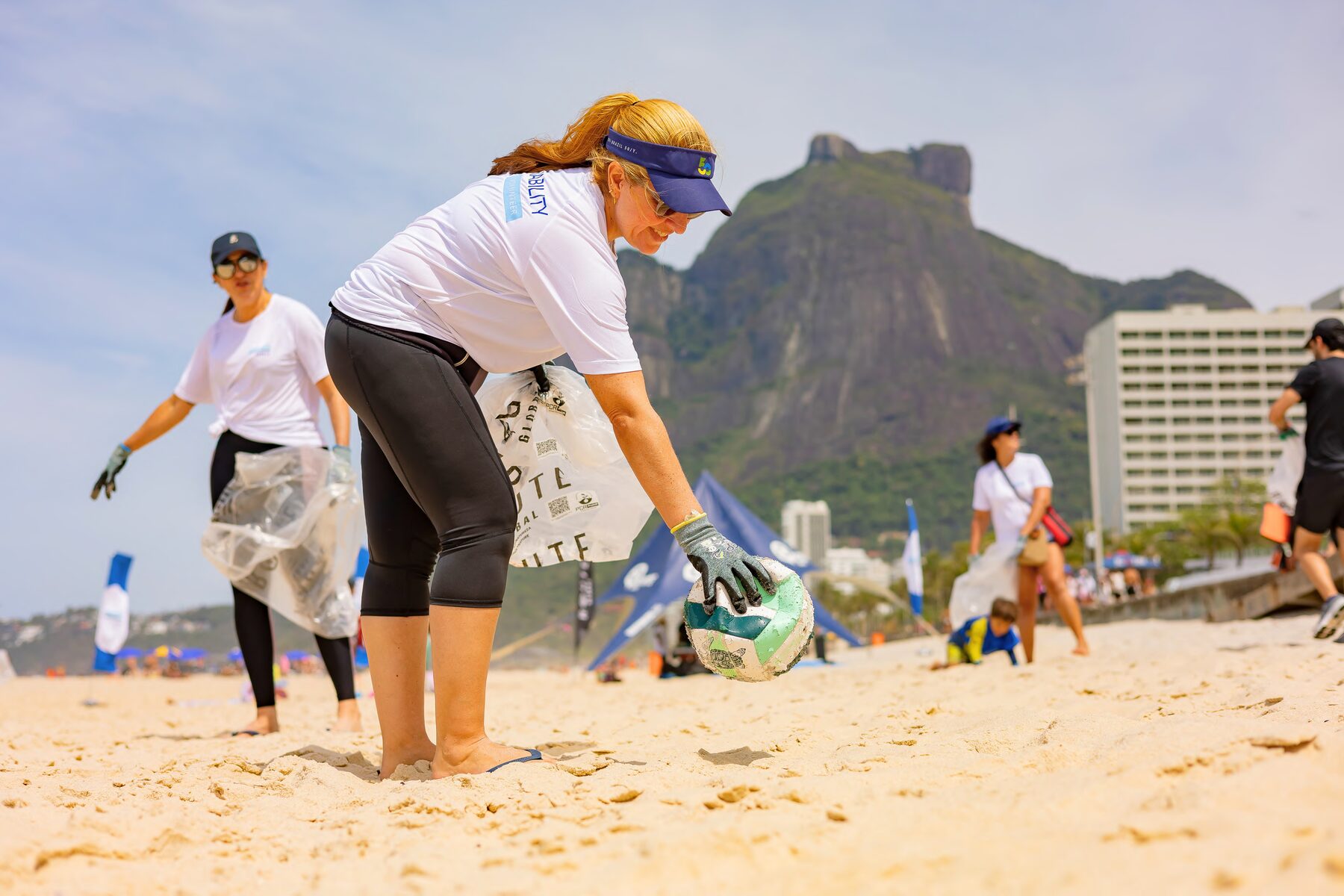
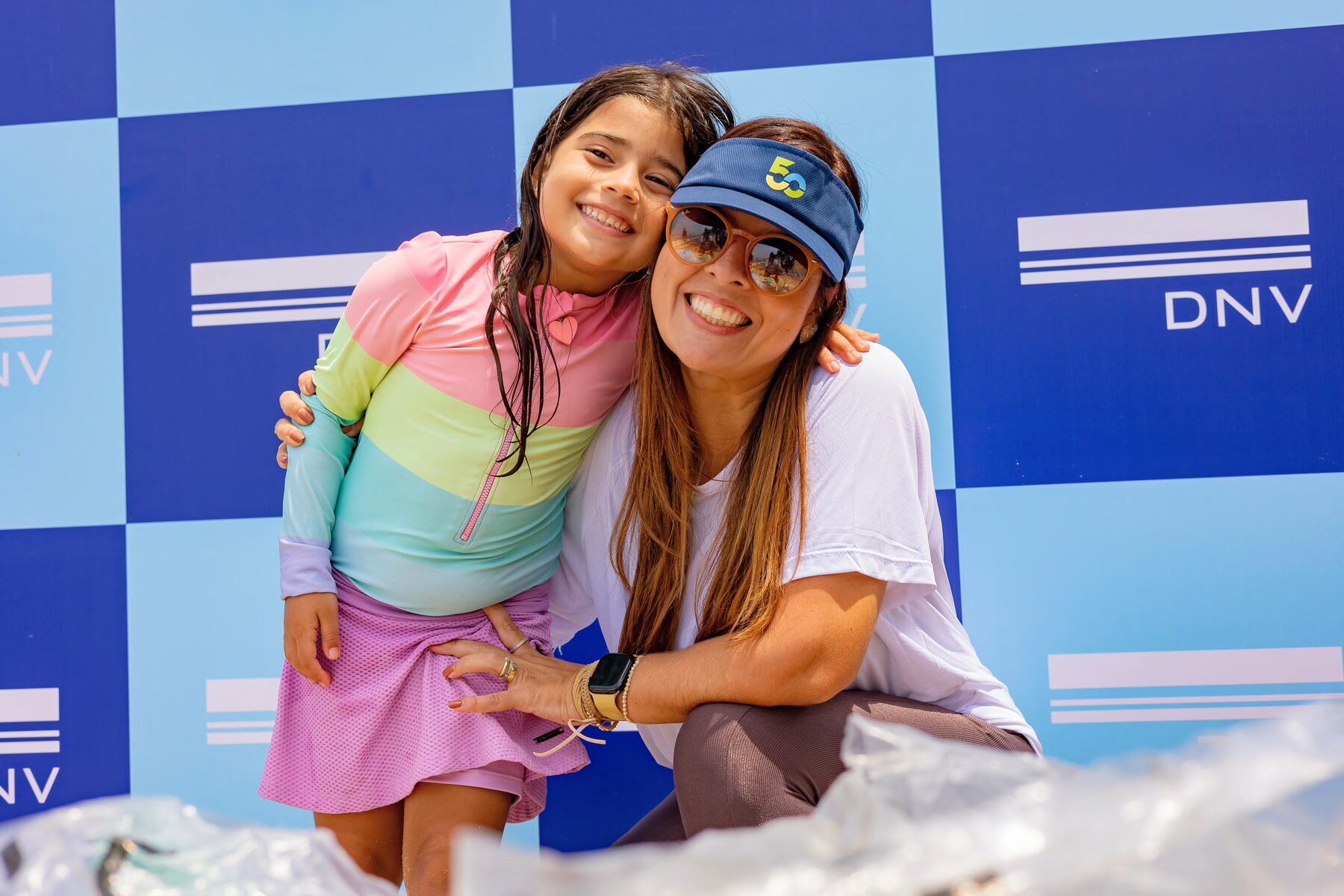
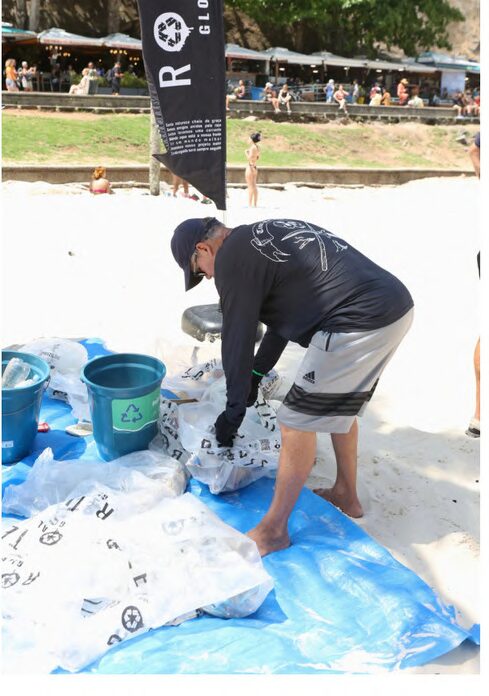
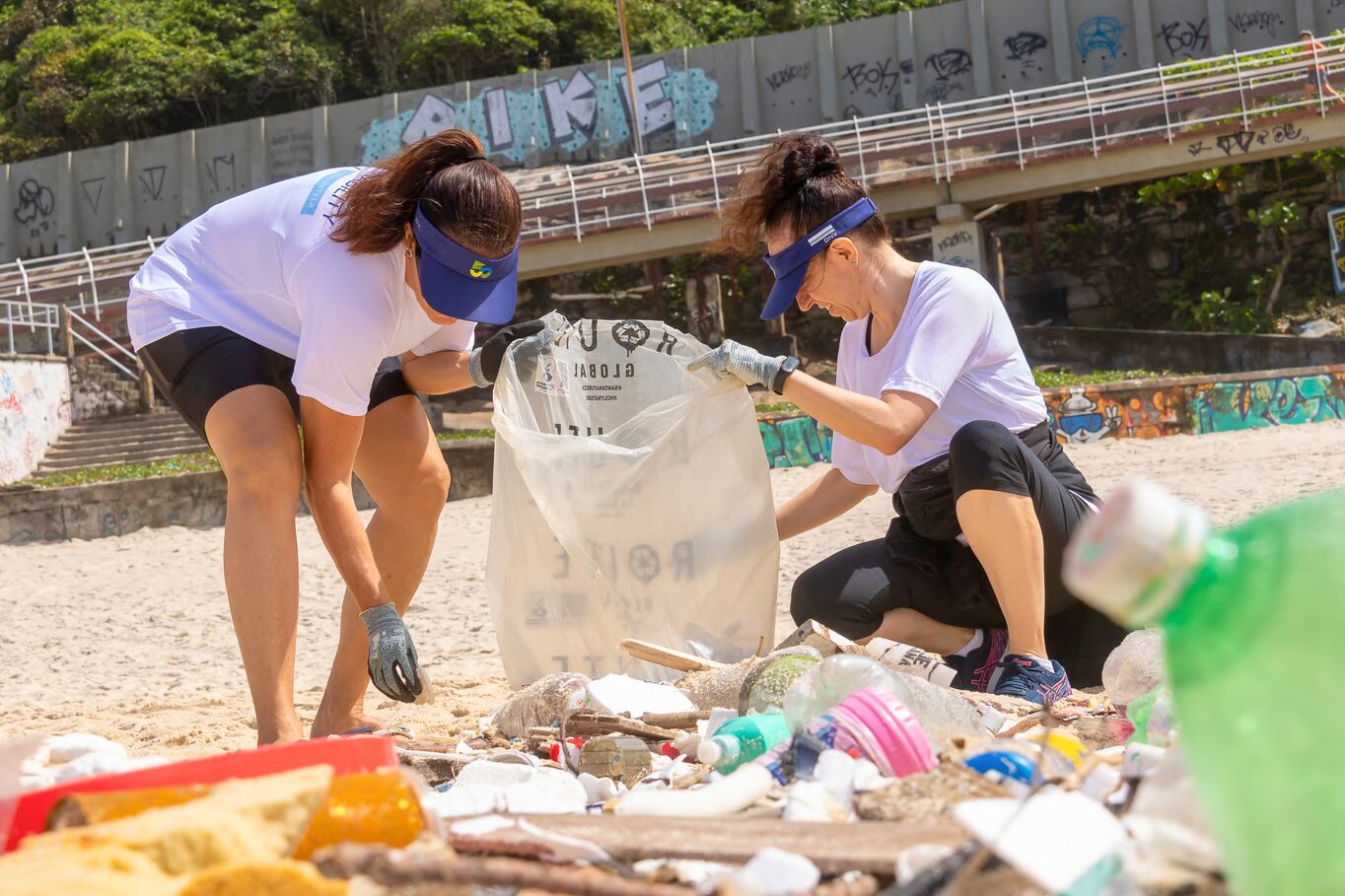
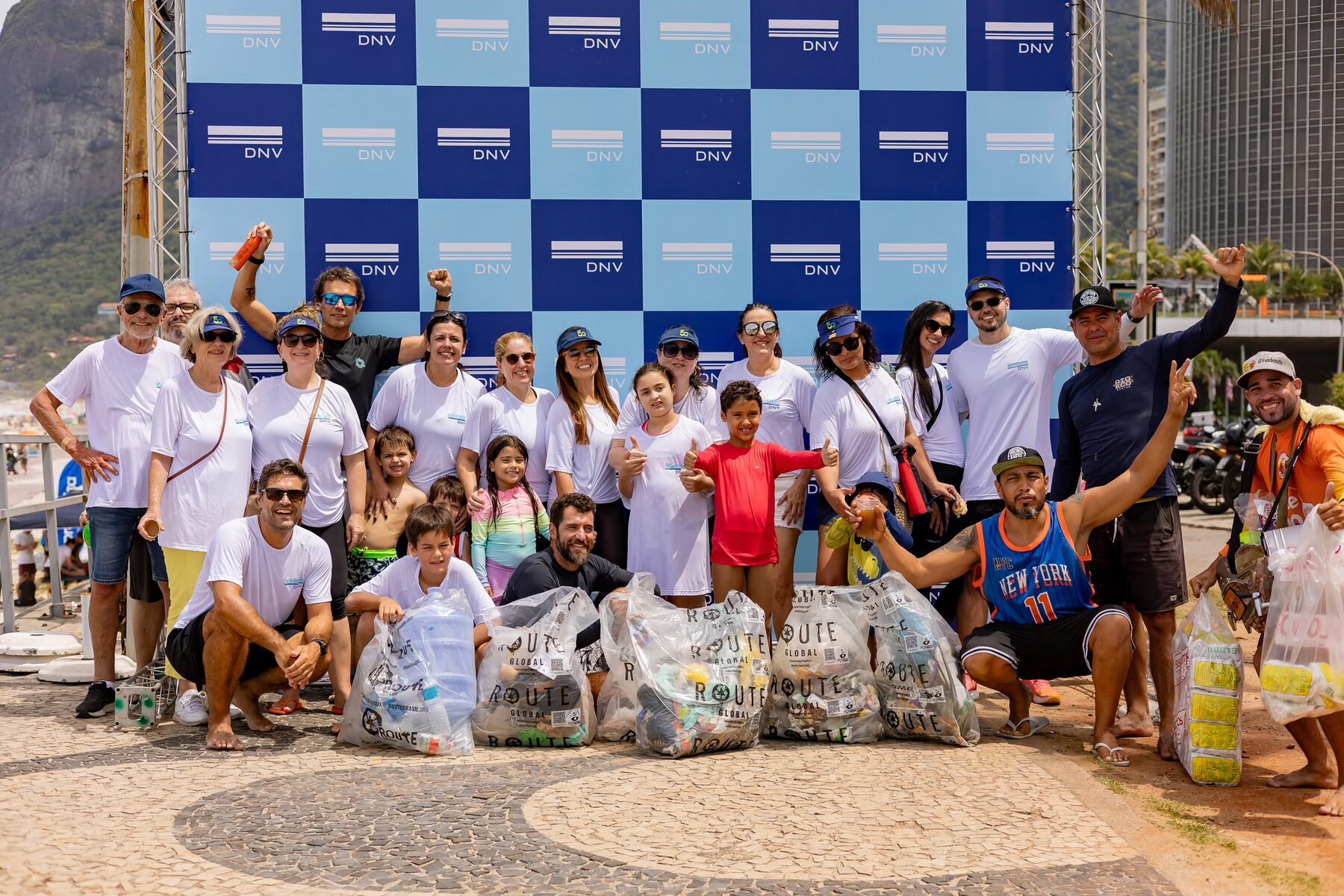
People brought together by care for the beach.
At each edition, volunteers, teams and partners came together to connect, share experiences and talk about caring for the coast.
Wellness and team-building activities helped participants connect with the environmental topics explored during the actions.
Connections with the Sustainable Development Goals
The activities connect with global goals for education, water, responsible consumption, environmental conservation and collaboration between organizations.
- 4Quality education
- 6Clean water and sanitation
- 12Responsible consumption and production
- 14Life below water
- 15Life on land
- 17Partnerships for the goals
Circuito ESG Rio | Rota de Soluções
JAN 26, 2026
World Environmental Education Day
Circuito ESG Rio | Rota de Soluções
From the beach into the company.
Environmental education is also built into the everyday life of organizations.
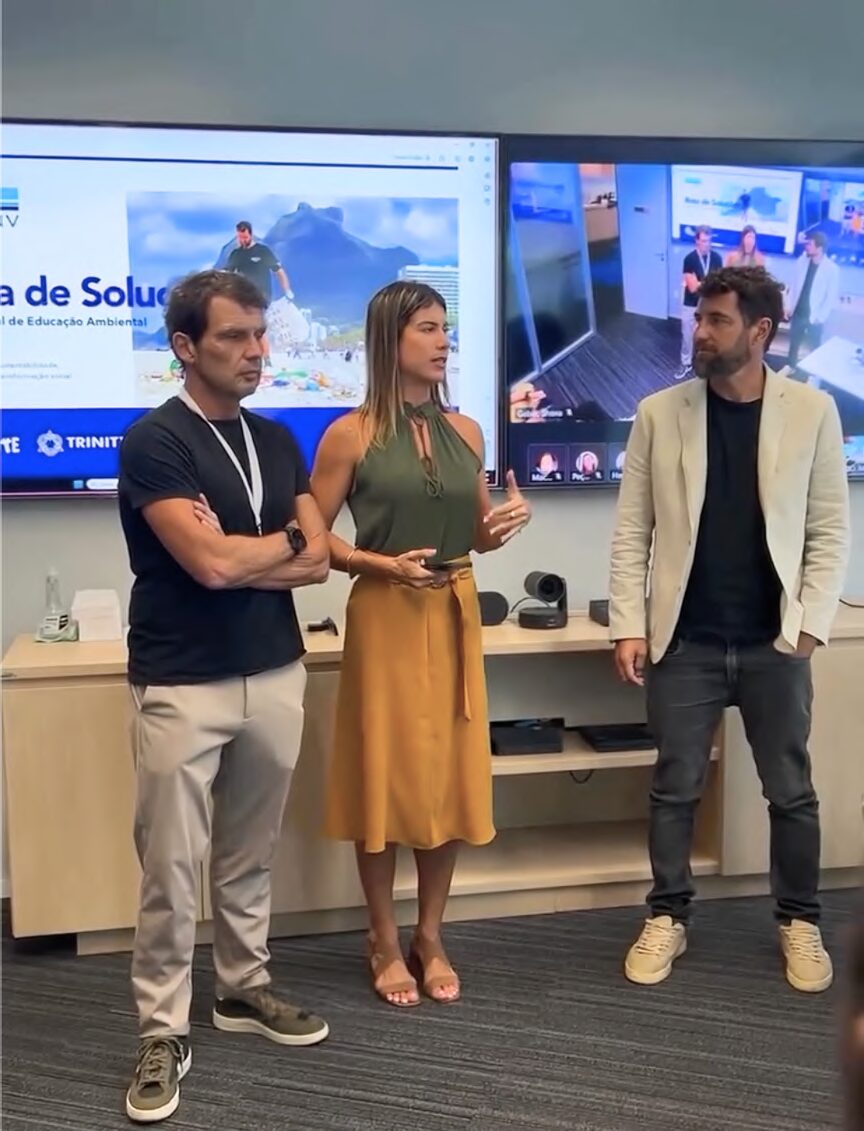
In January 2026, as part of World Environmental Education Day, Circuito ESG Rio | Rota de Soluções brought a reflection on consumption and waste into the corporate environment.
With Simão Filippe from ROUTE Institute, the conversation covered the paths waste takes, reducing waste, the circular economy and the importance of everyday choices.
The activity broadened the educational reach of the partnership, bringing the topic closer to employees and to situations at work and beyond.
A conversation that can continue across many more gatherings.
Possibilities for 2027
ROTA DE SOLUÇÕES | IN COMPANY
What if the next experience happens inside the company?
The beach actions and the environmental education experience in the corporate setting offer a starting point for new gatherings.
The idea is to build experiences aligned with the interests of DNV and its employees, combining information, participation and hands-on activities.
- 01
Conversations that connect
Talks and gatherings with experts on oceans, waste, consumption, the circular economy and everyday sustainability.
- 02
Hands-on workshops
Participatory experiences on waste sorting, reducing waste, reuse and consumption habits.
- 03
Team experiences
Collaborative activities and challenges that engage employees in environmental topics related to their routine.
- 04
From the company to the territory
Connecting in-house experiences with new outdoor activities, such as beach cleanups and socio-environmental mobilization.
Possibilities to co-create with DNV for 2027 — formats and activities will be defined together.
Continuing the partnership
What can we build from here?
Three beach cleanups and one environmental education experience provide a foundation for planning the next cycle of the partnership.
There is room for new coastal activities, in-company gatherings and ways to share knowledge and results with employees.
At the company
Talks, workshops and participatory experiences linked to sustainability and teams' daily routines.
At the beach
New volunteer actions, environmental education and records of the waste found.
Throughout the year
A calendar that connects experiences, tracks results and keeps environmental topics present in the organization's activities.
An agenda built together, with experiences suited to the people, places and goals of each edition.
DNV + TRINITY + ROUTE INSTITUTE
Which route will we take together?
The 2024, 2025 and 2026 gatherings left documented results and shared experiences.
For 2027, the proposal is to open a new conversation: which topics do we want to explore further, which teams can we involve and which experiences make sense for DNV?
We can start inside the company, return to the beach or connect both settings in a year-round program.
What experience can we design together for 2027?